


Vertical Integration: Not Just For High Volume, Essential For High Fashion Too
Mar 13, 2026
In an era where the fashion industry demands speed, quality and sustainability, vertical integration by vertically integrated textile suppliers has emerged as a powerhouse model. This vertical integration is not just churning about massive volumes, but also critically relevant for delivering high-style fashion.
The global market has three demands that cannot be negotiated: speed, quality and sustainability. Brands are on the hook to deliver trend-centric collections quicker than ever, produce consistently great quality in every garment, and have ethical, environmentally sustainable production policies.
Meeting all three targets at once is difficult in existing, disconnected supply chains. This is where vertical integration and the strength of the best vertically integrated textile company, NM Exports plays the role of a game changer.
Understanding The Vertical Integration
Vertical integration is the strategy of controlling the multiple stages of apparel value chain-
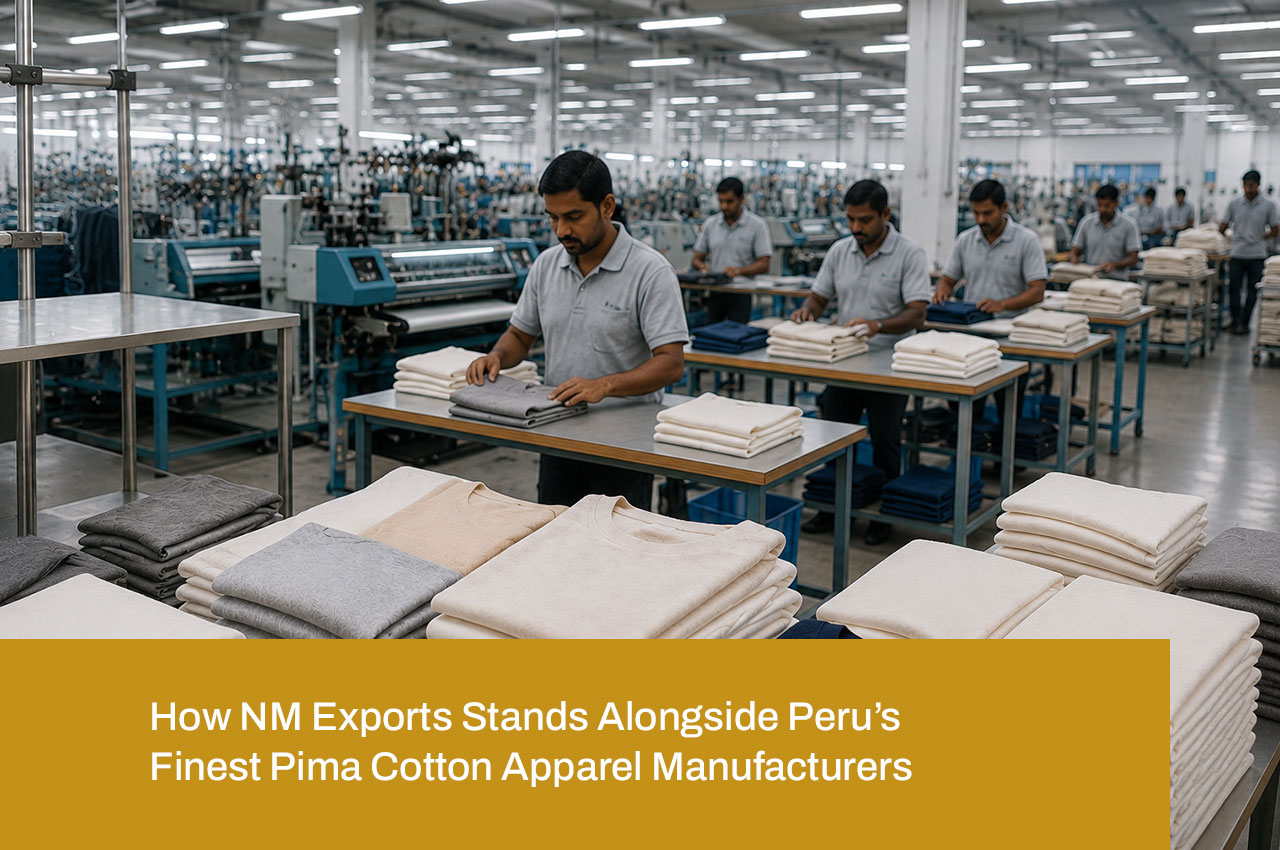
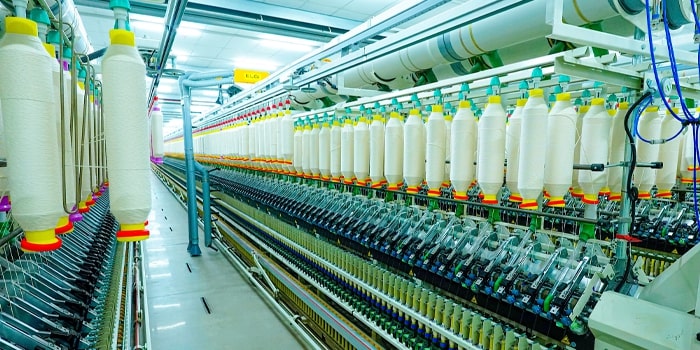
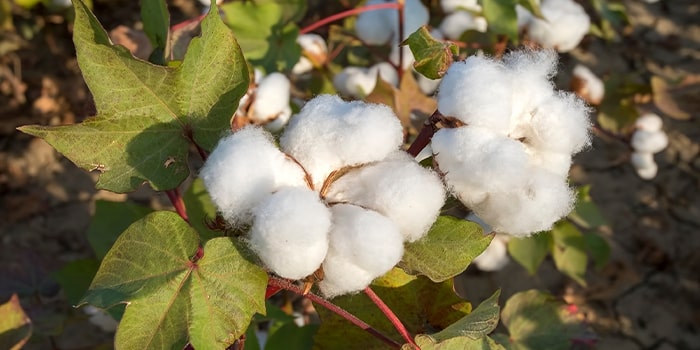
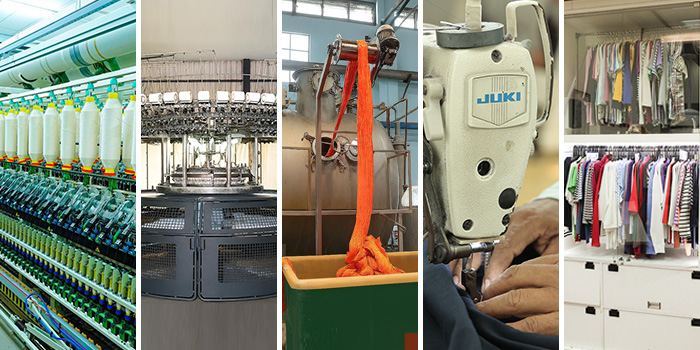
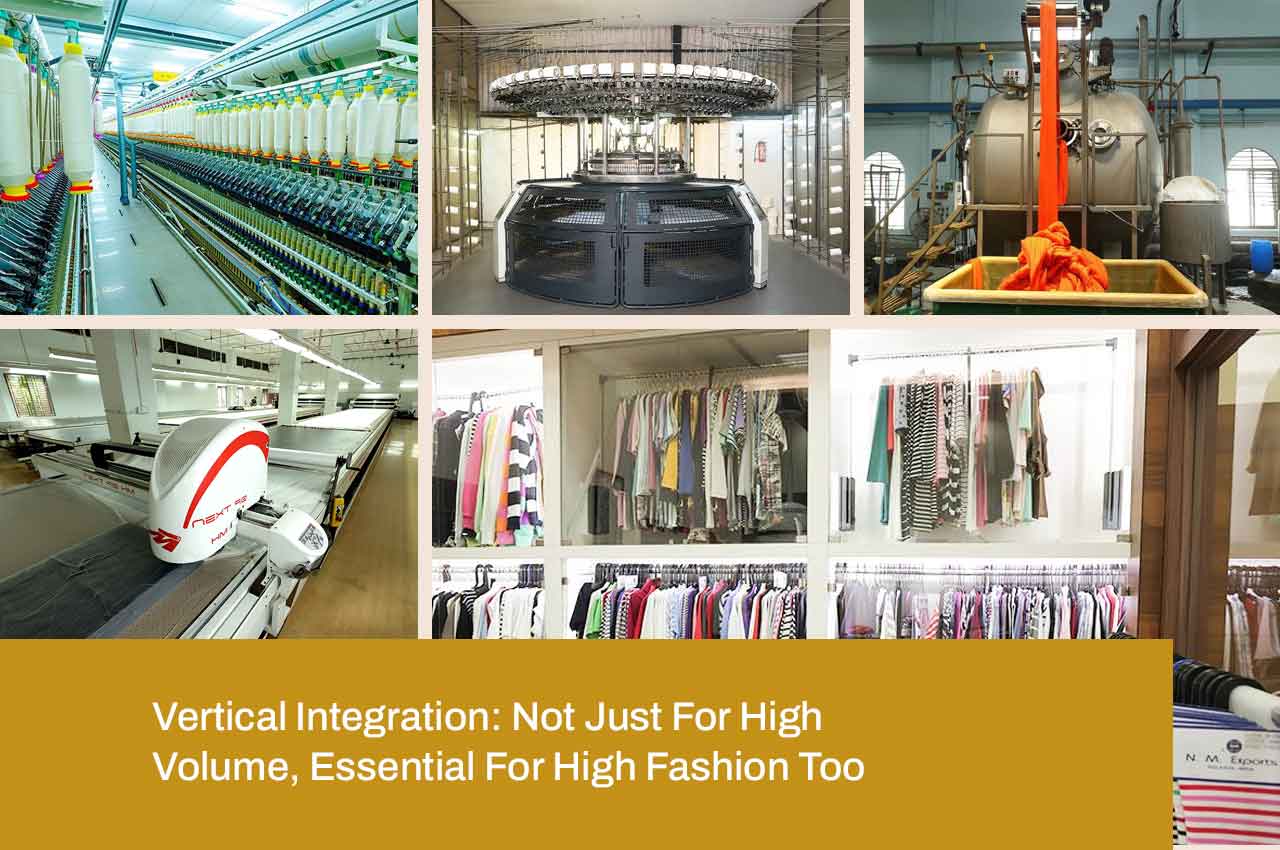
right from sourcing raw fibres like cotton, spinning, knitting, and dyeing, to garmenting, finishing and even distribution. A vertically integrated textile supplier completes it all in-house, minimising the dependency on outside vendors, realising efficiencies of cost and time, and ultimately everything is under the same roof for quality control.
While for many high quality garment manufacturers, vertical integration is only for high-volume production-mass-market basics, or uniform exports, it is now proving vital for high-style apparel too. High style refers to premium apparel that is design-driven and typically uses exclusive fabrics, such as Pima cotton, as well as focusing on craftsmanship.
Clearly, for high-style apparel vertical integration can increase efficiencies, but it also acts to protect creativity, improve trend responsiveness, and ensure true luxury-level consistency. Simply put, the future success of both volume and style will be dependent on integrated fashion ecosystems.
Why Is Vertical Integration Essential For High-Style Too?
High-style fashion is characterised by exclusivity, craftsmanship, and premium design. It requires a greater range of precision than any mass produced basics. Moreover, high-style apparel relies heavily upon flawless fabric quality, superior craftsmanship, and the rapid adaptability of the shifting trends.
This is why high quality garment manufacturers too need vertical integration is necessary for high-style fashion. NM Exports is one of those garment manufactures. This leading fully vertically integrated textile company in India provides premium garments to the global brands, specially in Germany, Italy, Australia, ensuring the consistency, finesse, and speed that luxury markets demand.
Uncompromising Quality Control
High-style fashion relies on perfection. Luxury buyers expect perfect tailoring, gorgeous finishes, and flawless fabrics. A vertically integrated supplier, like us, is able to control a garment from spinning, dyeing and constructing, and is, thus, able to maintain consistency and assure reliability across every aspect of how that garment is made.
This is the type of precision that separates high-quality garment manufacturers from mass-market, fast-fashion brands.
Speed to Market with No Compromise on Style
Fashion cycles are shorter than ever. Fashion brands are expected to provide new designs every season. Vertical integration allows a brand to expedite the time it takes to go from design to final product because all areas of the operation are in-house.
In fast-paced, high-style apparel, responsiveness is equally as important as handcraft in a product.
Best Sourcing Capabilities and Innovation
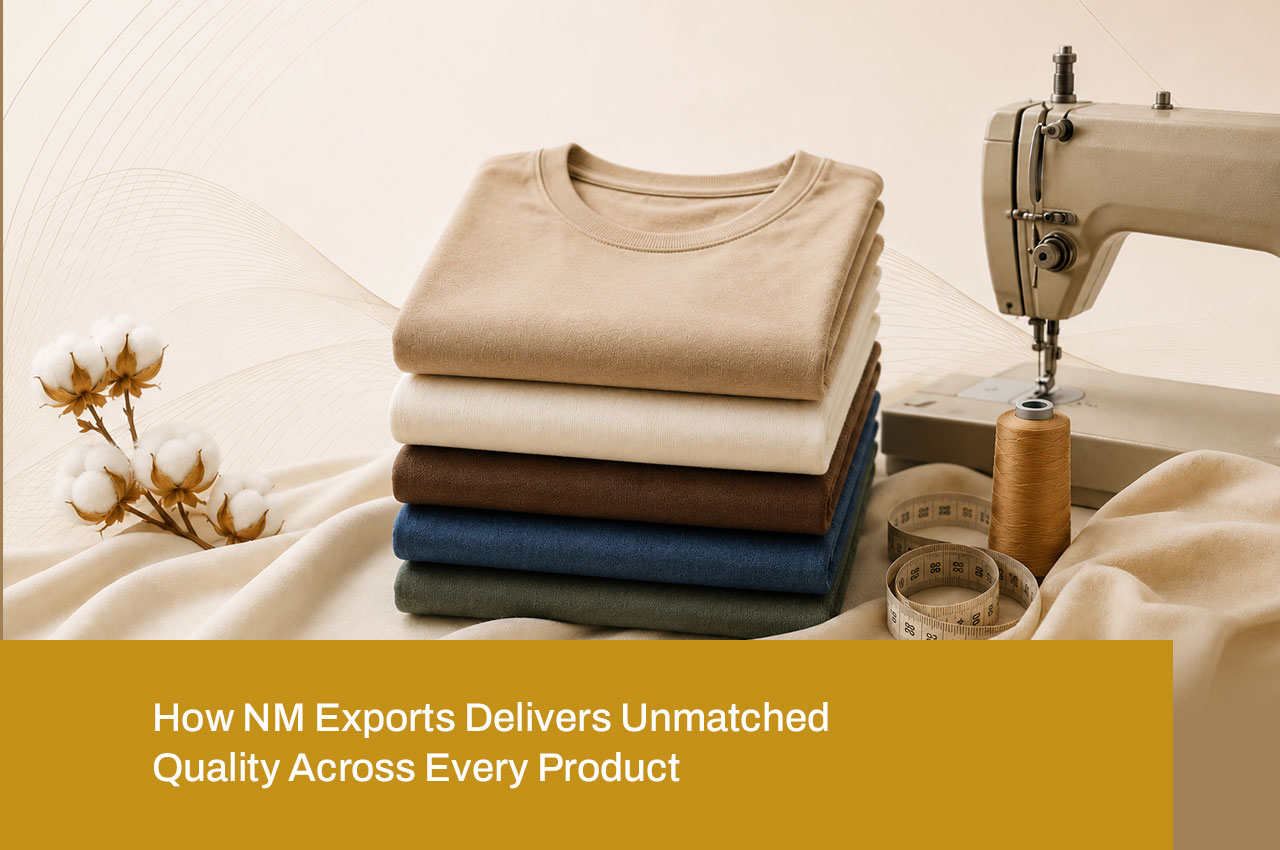
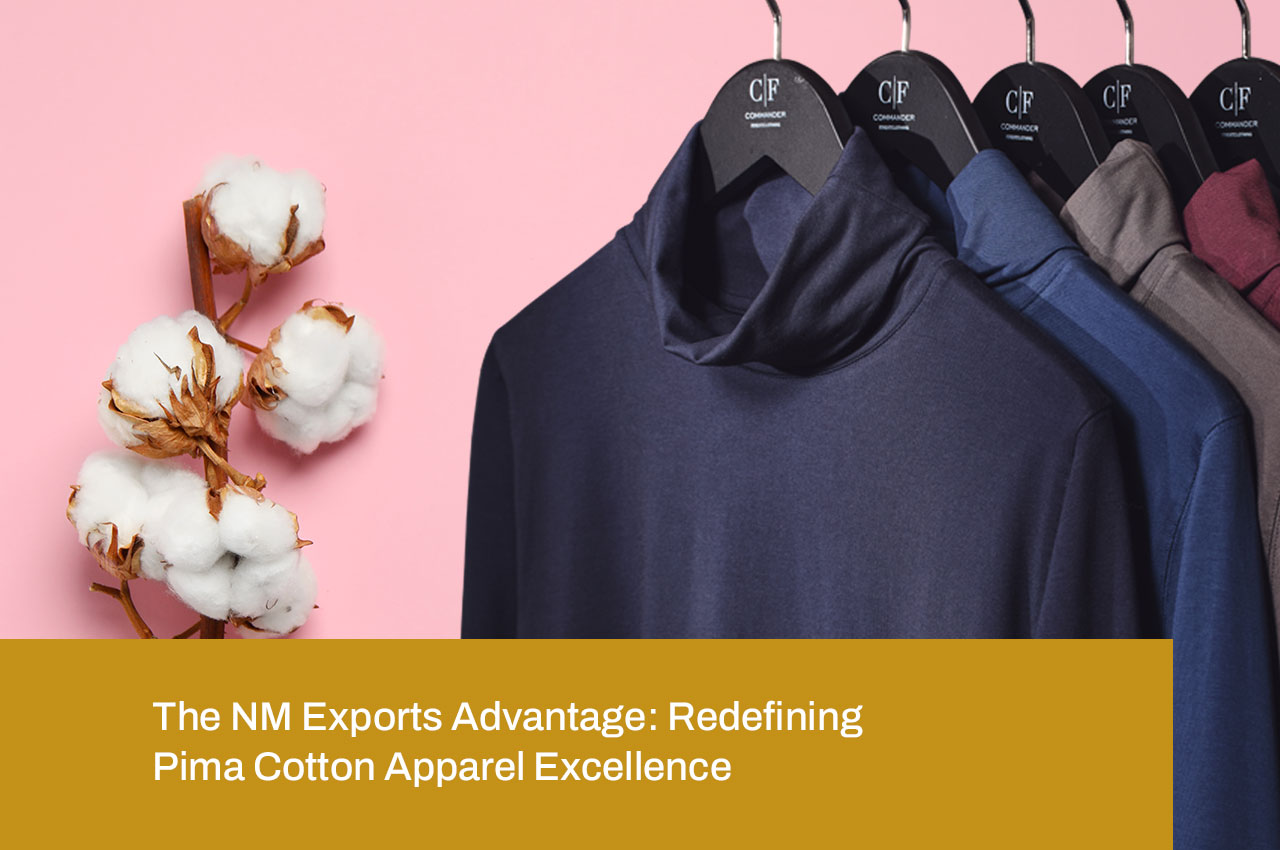
High-style garments require premium inputs, typically Pima cotton, silks, or organic blends. A vertically integrated textile company like NM Exports, maintains control over its raw material pipeline and can invest in sustainable fibres, create custom blends, or impart exclusive finishes on its garment.
Luxury apparel is not just stylish, it is unique and truly unique and future-ready.
Sustainability and Ethical Practices
The demand for eco-friendly garments is on the rise, as people want to consciously invest in fashion that is focused on sustainability. Vertical integration gives top garment manufacturers in India the ability to minimise their environmental impacts during the entire supply chain process from water consumption for dyeing to energy consumption in garmenting operations.
We, at NM Exports, follow the sustainable practices at every stage of the garment manufacturing process, which is also certified by various certification bodies.
Cost Efficiency with Quality Output
High fashion in luxury and high-style markets tends to have a strong association to exclusivity, with price points appropriate to that association. Despite this, efficiency matters too when it comes to strictly executing high-quality garments. By minimising the number of external vendors in garment production, the vertical integration process of a vertically integrated textile company drives operational costs down and can reduce lead times.
Essentially, a vertically integrated textile supplier can offer competitive pricing while maintaining a luxury-level of quality, a win-win situation for both brands and consumers.
The Final Word
India’s garment industry is headed for global leadership. Vertical integration is not just the engine for mass production, it is the basis of high-style fashion. Vertical integration of a vertically integrated textile company assures uncompromising quality, faster speed to market, premier fabric sourcing, sustainability and cost efficiency.
But while vertically integrated textile suppliers are transforming the way we function when competing globally, vertical integration itself is a way for those in fashion to transform the story of production and consumption.
While there may still be emerging brands excited about the prospect of high-style apparel, the direct supply chain from a top vertically integrated textile company is essential,not an option, If brands truly want to attain precision, agility, and consistency that modern businesses demand in the clothing arena.
FAQ
1. Why is vertical integration important for high-style fashion?
Because it ensures complete control over quality, fabrics, and design execution—crucial for delivering luxury-level apparel.
2. How does Eastern India contribute to garment exports?
Eastern India, with its growing clusters and heritage textiles, plays a vital role in India’s position as one of the largest garment export hubs.
3. What advantages do vertically integrated textile suppliers provide?
They combine cost efficiency, faster turnaround, sustainability, and premium output, making them the backbone of high quality garment manufacturing.